


Father Goose (1964)

Updated: Jun 7, 2025

Father Goose is a light hearted yet thoughtful comedy that pairs the legendary Cary Grant with the delightful Leslie Caron in an unlikely wartime adventure. The film’s whimsical plot, charming performances, and backdrop of South Pacific islands during World War II make it a unique blend of comedy, romance, and a bit of swashbuckling adventure. Directed by Ralph Nelson, Father Goose might not be one of Cary Grant’s most famous films, but it offers a mix of mature wit, slapstick humour, and warmth that makes it an enjoyable and memorable part of his filmography.
The film is both a satirical commentary on war and a funny, endearing story about an unlikely pairing of characters—one a gruff, solitary man and the other a refined, idealistic woman, forced to team up under unusual circumstances.
Plot Summary
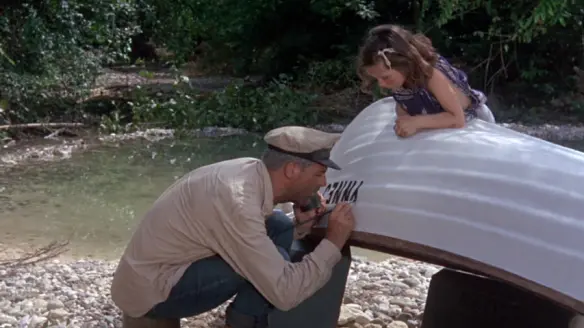
Set during World War II in the South Pacific, Father Goose centres on Walter Eckland (Cary Grant), a laid-back and somewhat disreputable Englishman who has chosen to live a solitary life as a beachcomber on a small, isolated island. Walter spends his days avoiding the war and drinking rum, largely uninterested in the outside world. However, his quiet existence is disrupted when a French schoolteacher named Madeleine (Leslie Caron) and her group of young female students arrive on the island seeking shelter after their plane crashes.
Madeleine, a determined and somewhat prim woman, insists on making the best of the situation. She attempts to organize the girls and maintain some semblance of order, despite their dire circumstances. However, Walter, who has been conscripted by the British military to act as a lookout and radio operator for intelligence gathering, is far from thrilled with his new role as "father" figure to these strangers. He resents the responsibility and reluctantly agrees to help, much to his annoyance.
As Walter and Madeleine clash over how to care for the girls, their relationship evolves. Walter’s cynical, self-serving nature gradually softens in response to Madeleine’s idealism and the needs of the girls. The island, with its tranquil yet perilous surroundings, becomes a metaphor for the way the characters slowly transform, learning to care for each other and the children in their midst. Amidst their efforts to survive and maintain order, romance also begins to bloom between Walter and Madeleine.
Performances

Cary Grant as Walter Eckland
Cary Grant brings his signature charm, wit, and charisma to the role of Walter Eckland, a character who is a far cry from his usual suave leading man persona. While still effortlessly likable, Grant's portrayal of Eckland highlights his ability to play a more scruffy, disillusioned character, even while maintaining his innate charm.
Walter is a complex figure: on the surface, he is a carefree, self-centred man who seeks nothing but isolation. But Grant subtly layers his performance, revealing a man capable of growth and vulnerability. His gradual transformation from selfish isolationist to caring protector of the children and Madeleine is both humorous and heart warming. Grant’s mastery of timing, particularly in the comedic scenes with the girls and his reluctant partnership with Madeleine, is on full display.
Leslie Caron as Madeleine
Leslie Caron, known for her roles in films like An American in Paris (1951), brings elegance and a gentle firmness to the role of Madeleine. She plays a woman who, though shocked by the turn of events, is not easily deterred. Madeleine’s idealism and dedication to her charges give her a strong moral centre, but Caron imbues her with warmth and depth, making her more than just a “damsel in distress” character. She is strong, yet tender, and her growing affection for Walter feels earned through their shared experiences.
Caron’s chemistry with Grant is delightful—her more measured, composed nature is the perfect foil to Grant’s sarcastic and often reluctant hero. The way their relationship evolves from irritation to mutual respect and love is well-paced and believable.
The Supporting Cast
The supporting cast, particularly the young girls and the military characters played by Trevor Howard and others, are important contributors to the charm of the film. The girls, a motley group of schoolchildren, provide much of the comedy, as their antics disrupt Walter’s world and create moments of chaos that push him toward growth.
Direction and Cinematography

Ralph Nelson, known for his work in both drama and comedy, directs Father Goose with a sense of playful whimsy while grounding the film with emotional depth. The film's pacing, often slowed down for humour, manages to maintain a steady flow as it moves from absurdity to sincerity. Nelson strikes a delicate balance, making sure that the jokes never overshadow the film's heart, nor does the drama ever become too heavy-handed.
The film is shot against the stunning tropical backdrop of the South Pacific, though much of the film was shot on soundstages. Cinematographer Russell Metty employs lush colours and scenic compositions, giving the island its own life, almost as if it were another character in the story. The beach and jungle settings are beautifully framed, with an emphasis on natural beauty that contrasts with the characters’ internal growth and the underlying tension of wartime.
The production design is simple but effective in its evocation of isolation and makeshift survival, creating a sense of claustrophobia on the island that mirrors Walter’s own feelings of entrapment. As the story unfolds, the cinematography reflects the emotional transformation of the characters, especially Walter, who begins to open up and find a new sense of purpose.
Music and Score
The score for Father Goose, composed by Johnny Green, is light and playful, providing a fun, carefree atmosphere. The music complements the film’s breezy tropical setting, enhancing the mood without overwhelming the action. There are several moments where the music becomes more poignant, underscoring the emotional weight of Walter and Madeleine’s evolving relationship. The inclusion of musical cues that emphasize comedy, especially in slapstick moments, adds to the overall charm of the film.
Themes and Subtext
While at its core a comedy, Father Goose explores several deeper themes, including:
Isolation and Transformation
Walter’s character embodies the theme of isolation. Initially, he chooses to live alone on the island, avoiding the war and any emotional attachments. However, his forced interaction with the girls and Madeleine challenges his self-imposed detachment. The film is about the gradual dismantling of his barriers and his eventual embrace of responsibility, connection, and love.
Selflessness vs. Selfishness
The contrast between Madeleine’s selflessness and Walter’s selfishness is a central dynamic. Walter starts the film as a man who has chosen a life of ease, but over time he is forced to become more engaged with the world, not just for his own sake but for the children’s and Madeleine’s well-being. This shift from selfishness to selflessness is central to the film’s message of growth and human connection.
Romance and Redemption
At its heart, the film is a romance. The relationship between Walter and Madeleine grows not through grand declarations or dramatic moments but through small, intimate interactions that reveal their vulnerabilities. The romance is an organic element that develops in tandem with Walter’s transformation, showing that love and emotional fulfilment come not from avoiding life’s challenges but from embracing them.
Critical Reception and Legacy
Upon its release, Father Goose was well-received, especially for its performances. Critics praised Cary Grant's transition into playing a more rugged, less polished character, and Leslie Caron's charm. The film was also noted for its good-natured humour and adventure, which provided a light diversion during a time when audiences were still reeling from the aftermath of the war.
The film also marked Cary Grant’s return to romantic comedy, a genre in which he had enjoyed considerable success in the 1930s and 1940s, after a few years in more dramatic roles. Father Goose became one of Grant’s later hits, further cementing his status as a beloved figure in Hollywood.
Verdict
Father Goose (1964) is a delightful mix of adventure, comedy, and romance, propelled by the sparkling chemistry between Cary Grant and Leslie Caron. While not as iconic as some of Grant’s other films, it still stands out for its heartwarming portrayal of personal growth and the unexpected joys of responsibility. With its engaging performances, appealing story, and tropical setting, Father Goose remains a charming, enjoyable film that captures the essence of classic Hollywood comedy.

